
Most clogs do not happen all at once. A bathroom sink that used to empty in a few seconds starts holding a little water. The shower leaves you standing in an inch of water by the end. The kitchen sink gurgles after the dishwasher runs. A slow drain is usually a partial blockage that is getting worse, and it is much easier to deal with now than after it stops draining completely.
This guide is for homeowners in Manchester and Bolton, and for the rest of the towns in our service area, including our home town of Coventry. We will cover what usually causes a slow drain, how to tell a single-fixture problem from a bigger one, what you can safely try yourself, why we suggest skipping chemical drain cleaners, and when it makes sense to call for professional drain cleaning.
What usually causes a slow drain
Every fixture in your home drains through a trap (the curved section of pipe under a sink or below a tub) and then into branch lines that join a larger drain leading out of the house. Water slows down when something narrows that path. The usual suspects depend on the room:
- Bathroom sinks: hair, soap scum, and toothpaste build up on the pop-up stopper and in the trap. Bathroom sink drains are small, so it does not take much.
- Tubs and showers: hair is the main culprit, usually combined with soap residue. It tends to collect right below the drain opening or around the stopper mechanism.
- Kitchen sinks: grease, fats, and oils go down as a liquid, cool, and stick to the pipe walls. Food scraps and coffee grounds then catch on that coating. A garbage disposal grinds food, but it does not make grease safe to pour down the drain.
- Toilets: too much paper at once, or items that are not meant to be flushed, such as wipes (including many sold as "flushable"), cotton swabs, and paper towels.
- Older piping: in older homes, the inside of some metal drain pipe can roughen with age, which gives debris more to catch on. Pipe that sags or lacks proper slope can also hold water and solids.
One slow drain or several? What the pattern tells you
Before you reach for any tool, notice which fixtures are affected. That one observation tells a plumber a lot, and it is the first thing we will ask when you call.
A single slow fixture
If only one sink, tub, or shower is slow and everything else drains normally, the blockage is almost always in that fixture's trap or in the short section of pipe just past it. This is the most common situation and usually the simplest to clear.
Several fixtures in one bathroom or one area
If the sink, tub, and toilet in the same bathroom are all sluggish, the problem is likely further down, in the branch line those fixtures share. Clearing only the sink trap will not help much in that case.
Fixtures throughout the house, or water coming up where it should not
Water rising in a tub when the toilet is flushed, or water appearing at a basement floor drain when the washing machine empties, points toward the main drain line. Water follows the path of least resistance, so a main-line blockage often shows up first at the lowest fixture in the house. When you see this pattern, stop running water as much as you can and call. Continuing to use fixtures pushes more water toward the blockage, and it has to come out somewhere.
Gurgling sounds
Gurgling from a drain or toilet when another fixture runs can mean air is being pulled through a trap. That can be caused by a partial blockage downstream or by a problem with the plumbing vent, the pipe that lets air into the drain system so water flows smoothly. Either way, it is worth mentioning when you describe the problem.
Sewer or septic: why it matters in Manchester and Bolton
Where your drains end up affects how a backup should be approached.
Manchester runs its own Water & Sewer Department, and many properties in town are connected to the municipal sewer. The town's engineering guidance explains that work on outside water or sewer service connections can involve a separate permit process from plumbing inside the house. If a backup seems to involve the line leaving the building, tell us early so the right path can be identified. We can explain what we see inside the home and what may involve the service connection.
Bolton is different. The town's zoning history notes that every home and business uses a private well, and most also have private septic systems. Where a property does have a sewer or grinder-pump connection, the town provides a way to report problems with that equipment. For a septic home, a backup that affects the whole house can come from the main drain inside the house, the line to the tank, or the septic system itself. If your septic tank is due for pumping, or you have noticed wet spots or odors in the yard, mention it when you call. If a grinder pump is involved, say so and describe any alarm you have noticed, because ownership and service responsibility for that equipment need to be confirmed separately from indoor plumbing work.
What you can safely try first
For a single slow fixture, a few simple steps are reasonable before calling:
- Clean the stopper and strainer. Many bathroom sink stoppers lift out or unscrew. A surprising amount of hair and residue collects right there. Tub and shower strainers can often be removed with a screwdriver.
- Use a plastic drain-cleaning strip. These inexpensive barbed strips are designed to pull hair out of sink and tub drains without damaging the pipe.
- Try a plunger. Use a cup plunger for sinks and tubs and a flange plunger for toilets. For a double kitchen sink, block the other side so the pressure goes toward the clog. On a bathroom sink or tub, cover the overflow opening with a wet rag.
- Flush with hot tap water. Running hot tap water after cleaning can help move loosened soap residue. Avoid pouring boiling water into a toilet, since sudden heat can stress porcelain, and be cautious with plastic drain pipe.
If these steps do not help, or the drain is slow again within a few weeks, the blockage is probably further in than you can reach. That is the point to stop and call, rather than escalating to harsher methods.
Why we suggest skipping chemical drain cleaners
Bottled drain openers are easy to buy and easy to pour, which is exactly why they are so common. They are also one of the least reliable ways to fix a slow drain. Here is why:
- They often do not reach or remove the real blockage. A product might eat a channel through part of a clog, so the drain improves for a while. The rest of the material stays in the pipe and catches new debris, and the problem comes back.
- They can be hard on plumbing. Many of these products work through strong caustic or acidic chemistry, and some generate heat as they react. Product labels often warn against using them on certain pipe types or fixtures. Repeated use on older or already weakened piping is not something we recommend.
- They create a hazard for whoever opens the drain next. If the chemical does not clear the line, it sits in the trap. Anyone who then plunges the drain, removes the trap, or runs a drain cable can be splashed. If you have already used a product, tell us which one and when. The drain cleaning service page asks for exactly this information for that reason.
- Mixing products is dangerous. Pouring a second product on top of the first, or adding bleach or other household cleaners, can cause a harmful reaction. Product labels warn against it.
- Septic systems need care. Septic systems depend on bacteria to break down waste. Septic guidance commonly advises against putting harsh chemicals down the drain in large amounts. In a town like Bolton, where most homes are on septic, that is one more reason to clear the drain mechanically instead.
Enzyme or bacteria-based drain products are gentler and are sometimes used for routine maintenance, but they work slowly and are not designed to clear a drain that is already badly blocked.
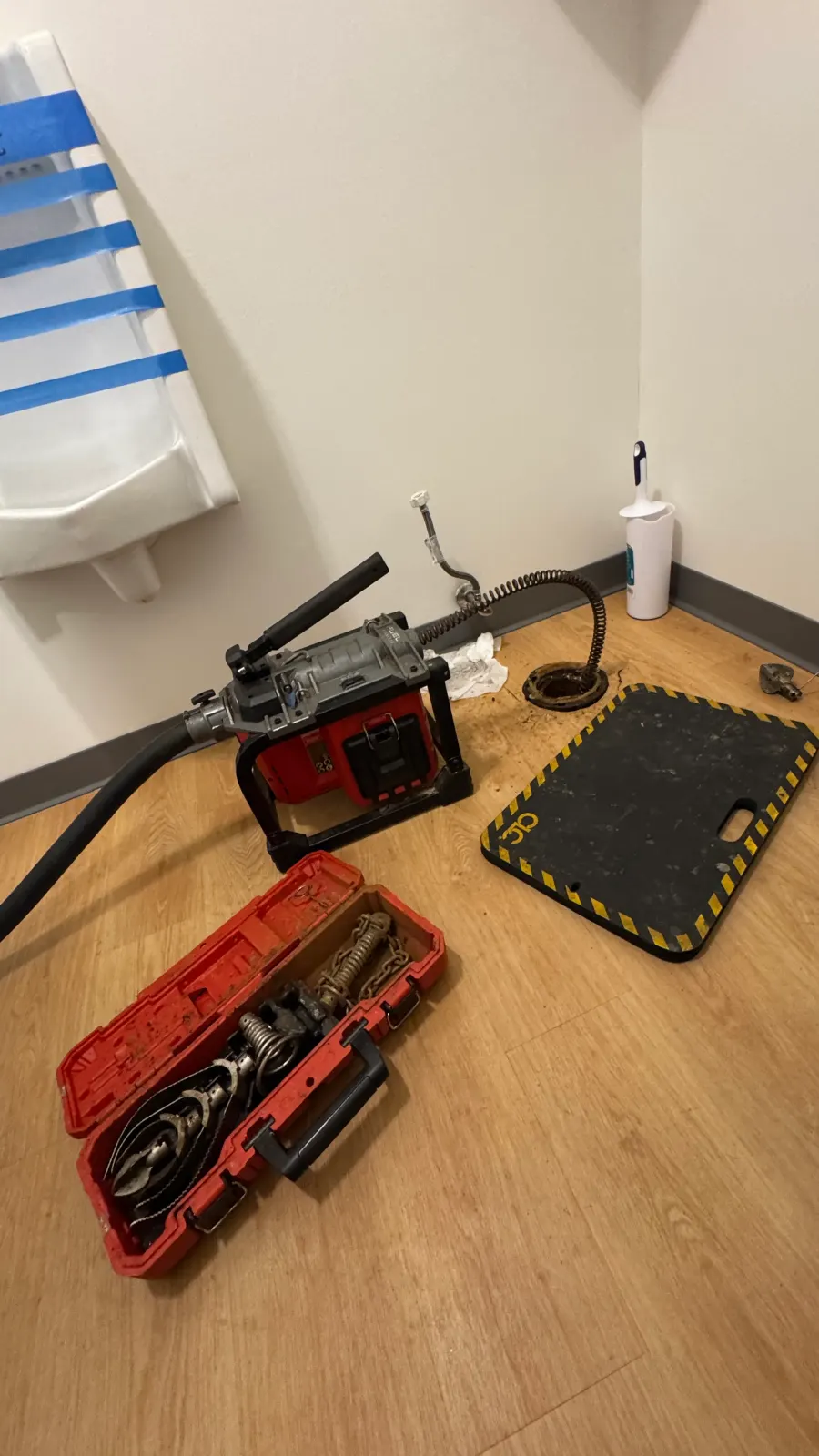
What professional drain cleaning involves
When you schedule drain cleaning with NextGen Plumbing Co., the visit follows a clear sequence. Your written quote confirms the exact work and materials, and a typical service may include:
- Discussing the symptoms and determining which fixtures or drain sections are affected.
- Inspecting available drain access, such as the trap or a cleanout, and choosing an appropriate clearing method.
- Clearing the accessible blockage within the approved scope of work.
- Running water and checking drainage through the serviced fixture or line.
- Explaining what we found and recommending next steps if the drain needs more investigation or repair.
It is worth being clear about one point: clearing a blockage and repairing a pipe are different jobs. Drain clearing does not fix broken, collapsed, or improperly sloped piping. If what we find points to damaged pipe or a layout problem that keeps causing clogs, we explain what we know and quote any drain-pipe repair, extra access, or excavation separately.
When to call instead of waiting
Call us at (860) 419-4111 if any of these apply:
- The same drain slows down again soon after you cleared it.
- More than one fixture is slow, or water comes up in one fixture when another is used.
- Water appears at a basement floor drain or around the base of a toilet.
- You notice sewage odors indoors, or persistent gurgling.
- You have already poured in a chemical cleaner and the drain is still blocked.
- The toilet plunges clear but keeps backing up.
We schedule as promptly as we can, and availability depends on the schedule and the work needed.
How to keep drains running well
A few habits go a long way:
- Use hair catchers in showers and tubs, and empty them regularly.
- Wipe greasy pans with a paper towel before washing, and put cooled grease in the trash rather than the sink.
- Keep coffee grounds, eggshells, and fibrous scraps out of the disposal. Run cold water while it operates and for a short time afterward.
- Flush only toilet paper. Wipes, swabs, floss, and paper towels belong in the trash.
- On septic, spread out laundry loads instead of running many back-to-back, and keep the septic pumping schedule your septic professional recommends.
- Know where your cleanouts are, and keep them accessible. It makes any future drain service simpler.
What to tell us when you call
Having a few details ready helps us prepare:
- Which fixtures are affected, and whether it is one sink or several.
- When it happens, for example all the time or only when the washer drains.
- Previous work or products used, including any chemical cleaner and when it went in.
- Available access, such as known cleanouts or finished basement ceilings.
- Your town and drainage setup: Manchester sewer, Bolton septic, a grinder pump, or not sure.
Our office hours are Monday through Friday, 8:00 AM to 4:00 PM. You can call (860) 419-4111, book online, or send a service request with your address and a short description. If the work turns into a larger repair, financing is available for qualifying projects.
Common questions
Why does my drain keep getting slow again after I clear it?
A clog that returns usually means part of the blockage is still in the pipe, often further down than a plunger or strip can reach, or that the pipe itself has a slope or condition problem that catches debris. Drain cleaning clears the accessible blockage, and we explain if the piping needs a separate repair.
Are chemical drain cleaners safe for my pipes?
We suggest skipping them. They often only open a small channel through a clog, they can be hard on some pipe and fixtures, and the chemical left sitting in a blocked trap is a splash hazard for whoever opens the drain next. If you have used one, tell us which product and when.
What does it mean when several drains are slow at once?
When fixtures in more than one area are slow, or water comes up in a tub or floor drain when another fixture is used, the blockage is likely in a shared branch line or the main drain rather than a single trap. Limit water use and call (860) 419-4111.
My Bolton home is on septic. Does that change how a backup is handled?
It can. A whole-house backup on septic may come from the main drain inside the house, the line to the tank, or the septic system itself. Tell us if your tank is due for pumping or you have noticed yard odors or wet spots, and mention any grinder pump or alarm.
Does drain cleaning include replacing damaged pipe?
No. Drain clearing and pipe replacement are different scopes. If the line is broken, collapsed, or improperly sloped, we explain the findings and provide a separate repair recommendation and quote.
When can you come out for a slow drain in Manchester or Bolton?
We schedule as promptly as we can, and availability depends on the schedule and the work needed. Call (860) 419-4111 Monday through Friday, 8:00 AM to 4:00 PM, or book online.
Financing
We offer financing
Finance projects up to $25,000*
Prefer to pay over time rather than all at once? We’ve partnered with Wisetack to offer our customers flexible financing options. Prequalify for financing today.

*All financing is subject to credit approval. Your terms may vary. Payment options through Wisetack are provided by our lending partners. For example, a $5,500 purchase could cost $253.54 per month for 24 months, based on a 9.9% APR, or $1,833.33 per month for 3 months, based on a 0% APR. Offers range from 0 to 35.9% APR based on amount requested and creditworthiness. Not all merchants and lending partners participate in 0% interest programs. Terms range from 3 - 120 months and may vary based on merchant, lending partner, or transaction size. State interest rate caps may apply. No prepaid finance charges or participation fees. See additional terms at wisetack.com/faqs.