
![[HERO] 7 Mistakes You're Making with Your Home’s Plumbing (and How to Spot Leaks Fast)](https://cdn.prod.website-files.com/69baaeebf85409aac9803b3e/69c9234dba86b2f1fae39c70_ae1zLQvLzzc.webp)
Maintaining a home in Coventry or anywhere in Tolland County is a big job. You have to keep an eye on the roof, the yard, and the HVAC system. But often, the plumbing is the one thing we ignore until there is a puddle on the floor.
My name is Ralph Rejman and I am the owner of NextGen Plumbing Company. We are a family owned business that focuses on keeping our neighbors’ homes safe and dry.
I have seen a lot of DIY projects go sideways over the last couple of years. Most of the time, it is because of small mistakes that add up to big repair bills.
If you want to protect your home and save money, you need to know what to avoid. Here are the seven biggest mistakes we see homeowners make and how you can get better at leak detection before a small drip becomes a flood.
1. The Muscle Man Approach to Tightening
When you are fixing a leaky faucet or a pipe under the sink, it is tempting to tighten the connections as hard as you can. You might think that tighter means fewer leaks.
Actually, the opposite is true. Over-tightening is one of the most common ways to break a plumbing fixture.
When you crank down on a nut or a supply line, you can easily strip the threads or crack the internal seals. This leads to a slow drip that you might not notice right away.
The rule of thumb is to hand-tighten everything first. If you need a wrench, only give it another quarter turn or so. If it still leaks, you probably need a new washer or some plumber's tape, not more muscle.
2. Ignoring the Slope of Your Pipes
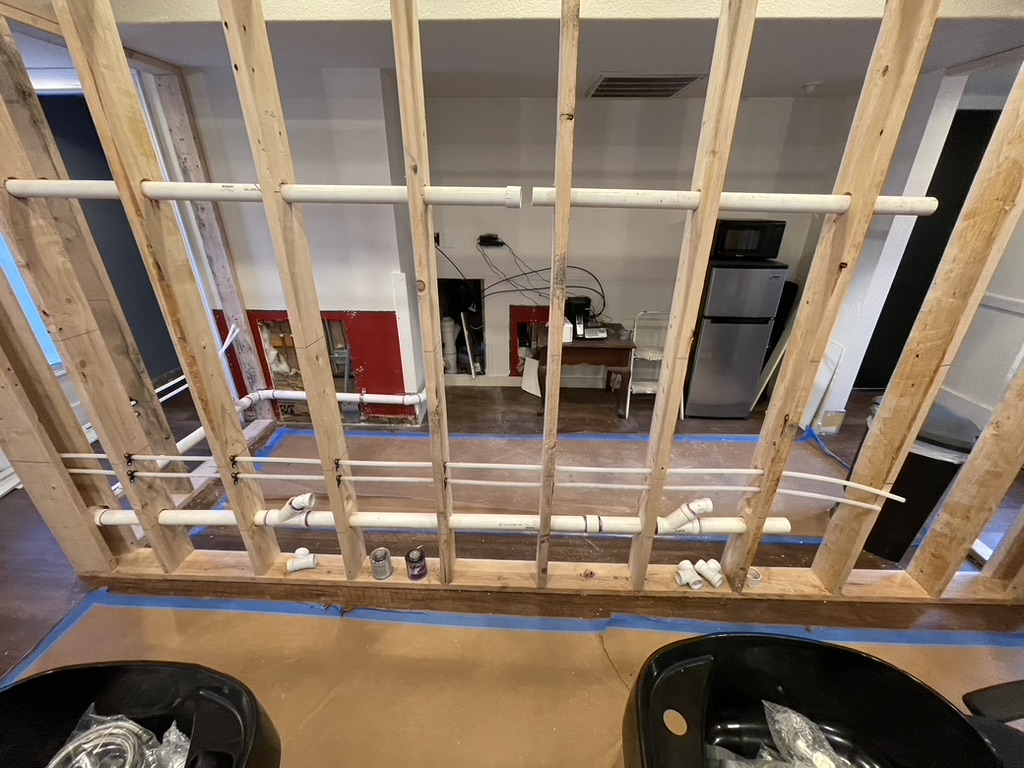
Plumbing relies on gravity more than most people realize. Your drain pipes need to have a specific slope to move waste out of your home effectively.
In the plumbing world, we look for about a quarter inch of drop for every foot of pipe. If the slope is too flat, the water won't move and you will get clogs.
If the slope is too steep, the water actually moves too fast. It leaves the solid waste behind and that leads to some of the nastiest backups you can imagine.
If you are doing a basement renovation in Manchester or Bolton, make sure your new lines have the right pitch. If you aren't sure, it is always better to call a professional for a quick inspection.

3. Not Using Pipe Hangers Correctly
Pipes are heavy, especially when they are full of water. If your pipes are just hanging out in your crawlspace or basement without support, they are going to fail.
Copper pipes can actually weaken over time if they are allowed to sag. Every time the water turns on and off, the pipes vibrate. This vibration puts stress on the joints.
Eventually, those joints will crack. We recommend adding hangers every six feet for most residential copper lines.
If you live in an older home in Hebron or Columbia, take a peek in your basement. If you see pipes that look like they are sagging, give us a shout. We can get them secured before they cause a major leak.
4. Treating Your Drain Like a Trash Can
This is probably the most common mistake we see in Tolland County homes. Your drains are designed for water, toilet paper, and human waste. That is it.
Even if a product says it is flushable, like many wet wipes or cat litters, it probably isn't. These items do not break down like toilet paper does. They get snagged on imperfections in your pipes and create massive clogs.
Grease is another huge enemy. It might be liquid when you pour it down the kitchen sink, but it turns into a solid "fatberg" once it hits the cool pipes underground.
Keep a small trash can in the bathroom and a grease jar in the kitchen. It is much cheaper than an emergency service call for a sewer backup.
5. Relying on Chemical Drain Cleaners
When a sink gets slow, most people reach for a bottle of liquid drain cleaner. While these can work for a tiny hair clog, they are actually very hard on your plumbing.
These chemicals are designed to be caustic so they can eat through gunk. The problem is that they also eat through your pipes.
If you have older metal pipes, these cleaners can cause them to thin out and eventually leak. They are also incredibly dangerous for our plumbers to deal with if we have to come out and snake the line later.
If a plunger doesn't do the trick, try a hand snake or give us a call at NextGen Plumbing Company. We use professional tools that clear the clog without damaging your home.
6. Forgetting to Let the System Breathe
Every plumbing system needs a vent. These are the pipes that usually go up through your roof. They allow air into the system so the water can flow smoothly.
Think of it like a straw. If you put your finger over the top of a straw full of water, the water stays inside. When you lift your finger, the air pushes the water out.
If your vents are blocked or were never installed correctly, your drains will gurgle. Worse, the lack of air pressure can siphon the water out of your P-traps.
When those traps go dry, sewer gas can enter your home. If you smell something like rotten eggs in your laundry room or bathroom, you likely have a venting issue.
7. Skipping the P-Traps
Every fixture in your house needs a P-trap. That is the U-shaped pipe you see under your sinks. Its job is to hold a small amount of water that acts as a seal against sewer gases.
Sometimes during DIY renovations, people skip the trap because they don't think they have enough space. This is a huge mistake.
Without a trap, your home will smell like a sewer, and it can even be a health hazard. If you are worried about the plumbing in a house you just bought in South Windsor or Glastonbury, we can do a quick walk-through to make sure everything is up to code.
How to Spot Leaks Fast: Leak Detection 101
Now that you know what mistakes to avoid, let's talk about leak detection. Detecting a leak early can save you thousands of dollars in water damage and mold remediation.
Check Your Water Bill
Your water bill is your best friend when it comes to leak detection. If your usage spikes and you haven't been filling a pool or watering the lawn, you probably have a leak.
Keep an eye on the monthly totals. A small jump could mean a running toilet. A big jump could mean a slab leak or a broken main line.
Use Your Water Meter
If you suspect a leak, turn off all the water in your house. Go outside and look at your water meter.
Most meters have a small leak indicator, often a little red or blue triangle that spins. If all your faucets are off and that triangle is moving, water is going somewhere it shouldn't.
Listen to Your Walls
When the house is quiet at night, listen. Do you hear the sound of running water when nobody is using the bathroom?
Do you hear a faint hissing or dripping behind the drywall? This is a classic sign of a pinhole leak in a copper pipe. These are common in Tolland County homes with older plumbing.
Look for the Visual Clues
Check under your sinks once a month. Look for dampness, warped cabinets, or musty smells.
Look at your ceilings. A brownish stain on the ceiling usually means there is a leak in the bathroom above it. Don't just paint over it. The leak needs to be fixed first.
Why Local Expertise Matters
NextGen Plumbing Company is still a young business, but we have deep roots here. We know the specific plumbing challenges that homeowners in Coventry and Ellington face.
Whether it is dealing with hard water from local wells or updating old cast iron pipes in Manchester, we have seen it all. We offer flat-rate pricing so you never have to guess what a job will cost.
We also know that plumbing disasters don't wait for business hours. That is why we offer 24/7 emergency service. If a pipe bursts at 3 AM on a Tuesday, we will be there to help.
Our goal is to be the plumber you trust enough to recommend to your neighbors. We are fully licensed and insured, and we treat every home like it belongs to our own family.
Get Peace of Mind Today
Plumbing doesn't have to be stressful. By avoiding these common mistakes and staying on top of plumbing maintenance, you can keep your home in great shape for years to come.
If you are worried about a potential leak or just want a professional to look over your system, we are here for you. We can help with everything from leak detection to full pipe replacements.
Check out our FAQ page for more tips, or read what your neighbors are saying on our reviews page.
Give us a call today for a free estimate. Let’s make sure your plumbing is ready for whatever the Connecticut weather throws at it.
You can reach us anytime at NextGen Plumbing Company. We look forward to helping you keep your home safe and dry!